






Following Nigerian Players Abroad Takes More Than Checking The Final Score

Nigerian footballers continue to make their mark across Europe, but understanding their progress requires more than simply checking goals and match results.
Why Following Nigerian Players Abroad Requires Deeper Analysis
Every weekend, Nigerian football supporters follow the performances of their favourite players across Europe and other international leagues. A goal, an assist or a match-winning moment can quickly become the biggest headline, but football development cannot always be measured through the final score alone.
From England and Spain to Italy, Germany and France, Nigerian players continue to compete at the highest levels. However, understanding their progress requires looking beyond basic statistics and considering factors such as playing time, tactical responsibility, opposition quality and long-term consistency.
Minutes Played Often Reveal More Than Statistics
The first question when analysing a player's performance should often be simple: how much time is he actually spending on the pitch?
A Nigerian footballer starting regularly in a competitive European league is showing that his manager trusts his ability and understands his importance within the team structure.
Consistent minutes allow players to develop confidence, improve their decision-making and build stronger connections with teammates. These elements are difficult to measure through goals and assists alone.
Substitute appearances also require proper context. A player entering a match for the final 15 minutes faces a completely different challenge compared with someone starting from the opening whistle.
The Team Environment Shapes Individual Performances
Football is a collective sport, meaning a player's performance is often influenced by the team around him.
A midfielder playing for a possession-based team may spend most of the match controlling tempo and creating passing options. Another midfielder at a struggling club may have more defensive responsibilities and spend most of his time recovering possession.
Both players can deliver valuable performances despite having completely different statistics.
The strength of the opposition also matters. Creating chances against one of Europe's strongest defensive teams is a different challenge compared with facing a side near the bottom of the league table.
Goals And Assists Do Not Define Every Position
Goals and assists naturally attract attention, especially when discussing attacking players. However, they do not provide a complete measurement of football ability.
Midfielders Offer More Than Numbers
A defensive midfielder may control a match through interceptions, pressing, positioning and ball recovery without producing a single goal contribution.
Defenders Need Different Evaluation
Central defenders are often judged unfairly because their best performances may come from preventing dangerous situations before they happen.
Good positioning, communication and tactical awareness can be more valuable than making last-minute tackles.
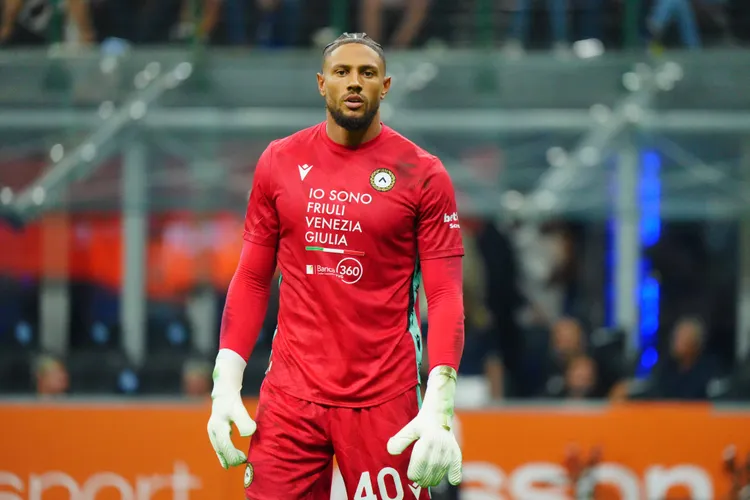
Goalkeepers Require Extra Context
The number of saves alone does not explain goalkeeper performances. The quality of shots faced, defensive organisation and match situations all influence their statistics.
One Excellent Match Should Not Define A Player
Modern football coverage encourages quick reactions. A player can score twice in one weekend and immediately become a national-team favourite, while one poor performance can create unnecessary criticism.
However, real player development happens over a longer period.
- Is the player starting consistently?
- Has his role increased within the team?
- Is he improving against stronger opponents?
- Has he become more tactically reliable?
These questions provide a more accurate understanding than focusing on one match.
Tactical Changes Can Affect Player Statistics
Sometimes a decrease in goals, assists or attacking numbers does not mean a player has declined. It may simply mean his tactical role has changed.
A winger who previously stayed wide may now be instructed to move centrally. A midfielder who once joined attacks regularly may now have defensive duties.
These changes naturally influence visible statistics.
Watching where a player receives the ball, how much responsibility he carries and how he contributes to the team's structure often provides better insight than checking numbers alone.
Club Form Does Not Automatically Transfer To International Football
Strong performances abroad naturally increase expectations for Nigerian players hoping to represent the Super Eagles. However, club football and international football create different challenges.
At club level, players train together every day and understand each other's movements. National teams have limited preparation time and different tactical requirements.
A striker scoring regularly for his club may not receive the same opportunities internationally. Meanwhile, another player with fewer club statistics may become important because his style fits the national team's system.
Young Nigerian Players Need Patience And Support
For young Nigerian talents abroad, regular first-team football can be one of the strongest signs of progress.
Breaking into senior football requires more than technical quality. Managers also look at discipline, physical preparation, tactical awareness and consistency.
A young player starting regularly in a competitive European league may be developing even without producing impressive attacking statistics.
Being trusted in difficult matches, maintaining a place in the squad and taking on greater responsibility are all important signs of improvement.
Why Long-Term Performance Matters More Than Weekend Headlines
Football naturally creates emotional reactions. Fans celebrate great moments and criticise disappointing performances, but careers are built through consistency.
A player's development should be measured through patterns over weeks and months rather than one result.
Following Nigerian players abroad means understanding their journey, adaptation and growth across different football environments.
Understanding Nigerian Footballers Beyond The Scoreboard
The most valuable football discussions go beyond asking who scored last weekend.
True analysis considers the player's role, tactical responsibilities, competition level and contribution to the team.
Some players develop quietly before becoming major stars. Others produce impressive numbers while still needing improvement in important areas.
Goals and results will always attract attention, but anyone who wants to understand Nigerian football talent must look deeper than the scoreboard.
